What are the efforts made by Government of India and Industry players and is it sufficient to meet India’s defence needs in the near future?
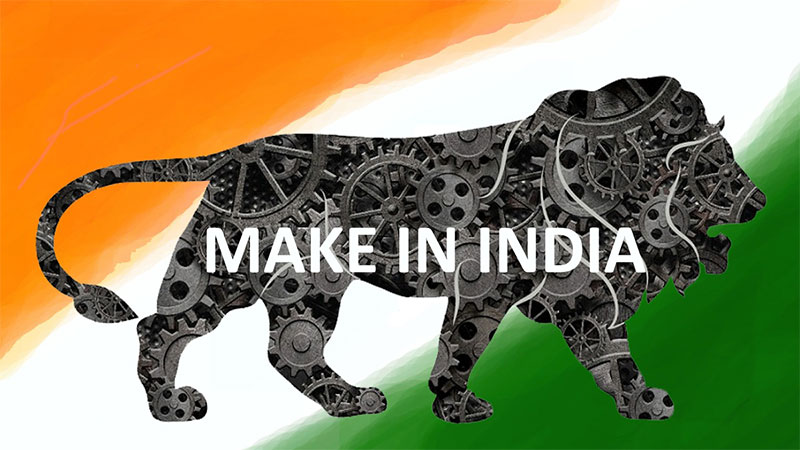
The mechanical lion symbolizes the promise for India’s indigenous technology developments in manufacturing
India’s journey towards self-reliance in defence technology has been a long and arduous one, marked by both successes and challenges. As the world’s third-largest military spender, India has recognized the strategic importance of developing indigenous defence capabilities to reduce its dependence on imports and strengthen its national security. The process of indigenisation, or the localisation of defence production, has been a key focus area for the Indian government in recent years.
The Importance of Indigenisation
Indigenisation of defence technology is crucial for India for several reasons:
- Strategic Autonomy: Reliance on foreign suppliers can make India vulnerable to geopolitical pressures and supply chain disruptions. Developing indigenous capabilities enhances India’s strategic autonomy and its ability to make independent decisions in matters of national security.
- Cost Savings: Domestic production can lead to significant cost savings compared to importing defence equipment, which is often subject to high prices and unfavourable exchange rates.
- Job Creation: The indigenisation of defence technology can create employment opportunities and foster the growth of a robust domestic defence industry, contributing to the overall economic development of the country.
- Technological Advancement: The process of indigenisation often drives innovation and technological advancements, which can have spillover effects on other sectors of the economy.
Challenges and Initiatives
Despite the clear benefits of indigenisation, India has faced several challenges in its pursuit of self-reliance in defence technology. These include:
- Lack of R&D Capabilities: India has historically lagged in research and development (R&D) investments, which are crucial for developing indigenous defence technologies.
- Bureaucratic Hurdles: The complex bureaucratic processes and decision-making structures within the Indian defence establishment have often slowed down the indigenisation efforts.
- Technological Gaps: India’s defence industry still faces significant technological gaps compared to global leaders, making it difficult to develop cutting-edge defence systems.
To address these challenges, the Indian government has taken several initiatives, such as:
- Make in India: The “Make in India” initiative, launched in 2014, aims to transform India into a global manufacturing hub, including in the defence sector.
- Offset Policy: The defence offset policy requires foreign defence companies to invest a certain percentage of the contract value in India, either through technology transfer, co-production, or direct purchases from Indian vendors.
- Increased R&D Funding: The government has increased funding for defence R&D, with a focus on developing indigenous capabilities in areas such as missiles, aircraft, and naval systems.
- Streamlining Procurement: The government has taken steps to streamline the defence procurement process, reducing bureaucratic delays and encouraging the participation of domestic manufacturers.
Successful Case Studies
Despite the challenges, India has achieved some notable successes in the indigenisation of defence technology. Some key projects under the indigenisation program in India include:
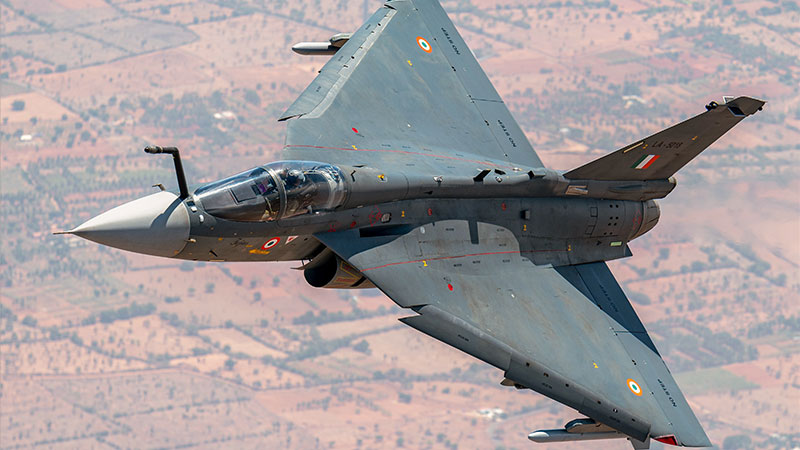
- Tejas Light Combat Aircraft: The Tejas, developed by the Aeronautical Development Agency (ADA), is India’s first indigenous fighter aircraft, showcasing the country’s growing capabilities in aerospace engineering.
- BrahMos Supersonic Cruise Missile: The BrahMos, a joint venture between India and Russia, is the world’s fastest operational cruise missile, demonstrating India’s expertise in missile technology.
- Arihant-class Submarine: The Arihant-class submarine, India’s first indigenously developed nuclear-powered ballistic missile submarine, is a testament to the country’s advancements in naval technology.
- Main Battle Tank Arjun Mk-1A: Designed and developed by DRDO, this tank incorporates 71 upgrades for superior firepower, mobility, and protection characteristics.
- Acceptance of Necessity (AoN): The government has approved 150 proposals worth Rs 2,47,515 crore to promote domestic manufacturing under various categories of capital procurement as per DAP-2020.
- Capital Acquisition Contracts: Out of 191 contracts signed, 121 have been with Indian vendors for the procurement of defence equipment for the Armed Forces.
- Positive Indigenisation Lists: These lists include various defence items like frigates, gyro systems, radar systems and more which are aimed at promoting indigenous production and reducing import dependency.
These projects signify India’s commitment to enhancing self-reliance in defence technology through indigenous design, development and manufacturing.
Conclusion
The indigenisation of defence technology in India is a critical strategic imperative that has gained momentum in recent years. While challenges remain, the Indian government’s sustained efforts, coupled with the growing capabilities of the domestic defence industry, hold promise for a future where India can achieve greater self-reliance in this vital sector. By leveraging its technological prowess and fostering innovation, India can strengthen its national security and emerge as a global leader in defence technology.