Emerging technologies in AI and robotics are imploring us to address questions about the direction of humanity’s future.

Surveillance technology has rapidly evolved in recent years, and traditional CCTVs are no longer the only option for keeping an eye on things. With the increasing demand for smarter and more sophisticated surveillance solutions, new technologies are emerging that offer advanced features and capabilities. In this article, we discuss the future of surveillance technology and how it is going beyond just the CCTVs.
Smart Surveillance Systems:
Smart surveillance systems are becoming increasingly popular as they offer features like facial recognition, license plate recognition, and other advanced analytics capabilities. These systems are capable of analysing video footage in real-time and alerting security personnel to suspicious behaviour or events.
One example of a smart surveillance system is a network of CCTV cameras equipped with facial recognition software. The software can identify individuals in real-time by analysing their facial features. This technology is already being used in several countries for tracking public movements, identifying criminals and terrorists, and improving security in public spaces.
Drones for Surveillance:
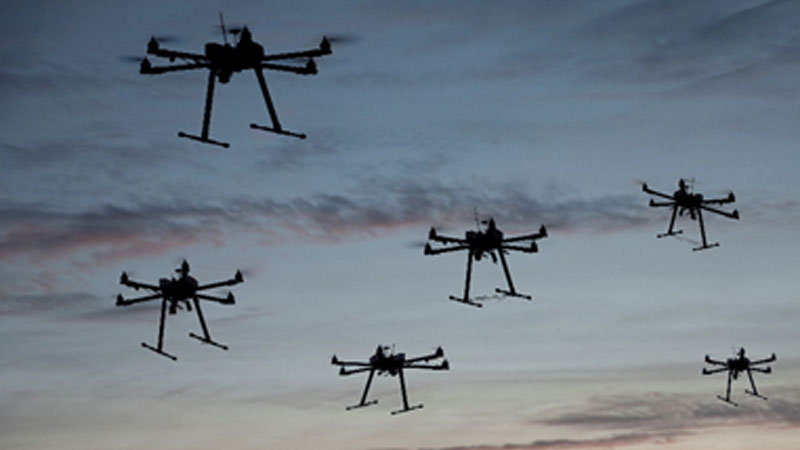
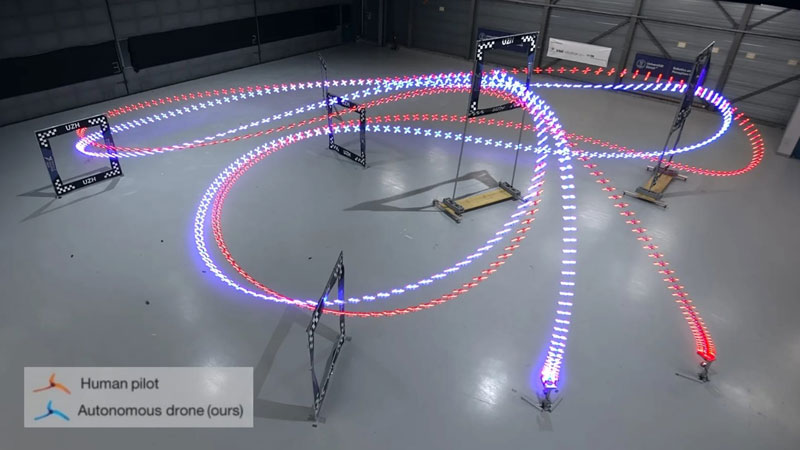
Drones are no longer just toys for hobbyists. Drone technology has advanced significantly in recent years, and they are now being used for a wide range of applications, including surveillance. Drones equipped with cameras and other sensors can cover large areas quickly and provide real-time video feeds to security personnel.
One example of drones being used for surveillance is in border control. Drones can patrol the borders and detect any suspicious activity, helping border control agents to intercept and prevent illegal border crossings. Drones can also be used for surveillance in sensitive areas like military bases, power plants, and other critical infrastructure.
Internet of Things (IoT) Surveillance:
The IoT is a network of interconnected devices that can communicate with each other to share data and perform functions. IoT surveillance involves the use of sensors, cameras, and other devices to monitor the environment and detect any anomalies or suspicious behaviour.
One example of IoT surveillance is a smart city. In a smart city, sensors and cameras are installed throughout the city, monitoring various aspects like traffic, air quality, and noise levels. The surveillance data is analysed in real-time to identify any issues or potential problems, enabling city officials to take corrective action quickly.
Cloud-Based Surveillance:
Cloud-based surveillance solutions are becoming increasingly popular as they offer a range of benefits like scalability, remote access, and cost-effectiveness. Cloud-based surveillance systems can be easily integrated with other cloud-based services like analytics and machine learning, to provide advanced features like predictive maintenance and anomaly detection.
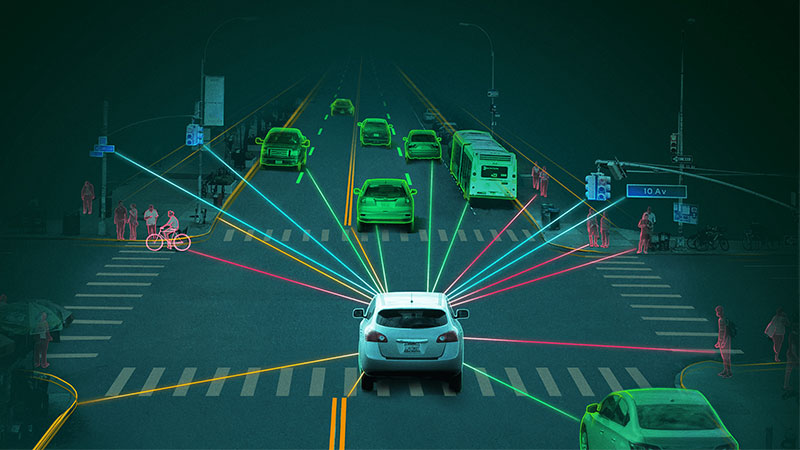
One example of cloud-based surveillance is the use of video analytics software to automatically identify and classify objects in real-time. The software can identify objects like cars, people, and animals and provide alerts to security personnel when it detects any suspicious behaviour. The video data is stored in the cloud, making it accessible from anywhere.
Ethical Considerations and Privacy Concerns
While the future of surveillance technology is promising, it also raises significant ethical and privacy concerns. The widespread use of advanced surveillance tools can lead to intrusive monitoring and potential misuse of personal data. It is crucial for policymakers to establish clear regulations and guidelines to protect individual privacy rights while ensuring public safety. To address these concerns, it is essential to balance security needs with privacy protections. Implementing robust data encryption, anonymizing collected data, and ensuring transparency in surveillance practices can help mitigate these privacy risks. Additionally, fostering public awareness and dialogue about surveillance technologies and their implications is vital for developing responsible usage policies.
Conclusion:
The rapid advancements in surveillance technology are transforming the way we monitor and secure our environment. From smart surveillance systems to IoT surveillance and cloud-based surveillance, there are many advanced solutions emerging that offer enhanced features and capabilities. These technologies are making our communities safer and more secure by detecting and preventing crime and other potential threats. However, it is imperative to navigate the ethical and privacy challenges associated with these technologies to ensure they are used responsibly and for the greater good. As we continue to embrace these cutting-edge tools, staying informed and vigilant about their implications will be key to shaping a secure and equitable future.