The global autonomous vehicle market is expected to grow exponentially with broader adoption of electric vehicles and infrastructure developments. What is this paradigmatic shift in transportation?
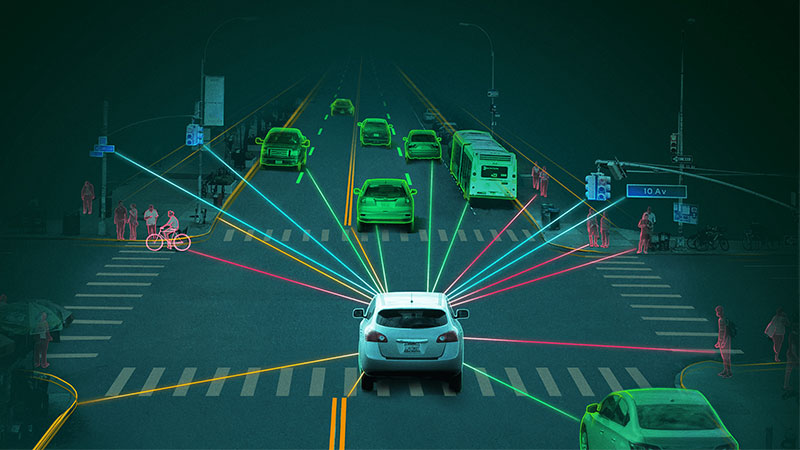
The world of transportation is undergoing a revolutionary transformation with the advent of autonomous vehicles (AVs). These self-driving cars integrate AI, using multiple advanced sensors and on-board data processing, enabling us to reshape the way we move, commute and interact with our surroundings.
Major tech giants and automotive companies are investing heavily in the development of self-driving car technologies, with the goal of bringing these vehicles to the mainstream market. As we embark on the journey towards a future dominated by autonomous vehicles, it is essential to explore the potential benefits, challenges, and implications of this emerging technology.
Key Technologies Enabling Autonomous Vehicles
The success of autonomous vehicles relies on the seamless integration of several cutting-edge technologies, including:-
AI and machine learning algorithms are the backbone of autonomous vehicles, enabling them to perceive their surroundings, make decisions, and navigate safely. These technologies are continuously evolving, with advancements in areas such as computer vision, natural language processing, and deep learning.
Autonomous vehicles equipped with advanced sensors, cameras, and artificial intelligence (AI) systems that allow them to navigate and operate without human intervention and rely on a combination of technologies, including:
Benefits of Autonomous Vehicles
The widespread adoption of autonomous vehicles promises to deliver numerous benefits to individuals, communities, and society as a whole:
One of the most significant advantages of autonomous vehicles is their potential to reduce the number of accidents caused by human error. Self-driving cars are programmed to follow traffic laws, maintain safe following distances, and react quickly to potential hazards, making them inherently safer than human-operated vehicles.
Autonomous vehicles can communicate with each other and with traffic infrastructure, allowing for more efficient traffic management and reduced congestion. By optimizing routes, coordinating with traffic signals, and minimizing unnecessary stops, self-driving cars can help alleviate the burden of traffic jams and improve overall transportation efficiency.
Challenges and Considerations
While the potential benefits of autonomous vehicles are significant, there are also challenges and considerations that must be addressed:-
The deployment of autonomous vehicles raises important ethical questions, such as decision-making in unavoidable accident scenarios and the potential impact on employment in the transportation sector. Addressing these concerns is essential for gaining public trust and acceptance.
Implementing autonomous vehicles at scale requires significant infrastructure investments. This includes upgrading roadways with smart traffic signals, dedicated lanes, and charging stations for electric autonomous vehicles. Cities and governments must collaborate to create an environment conducive to the safe operation of self-driving cars.
As autonomous vehicles become more connected and reliant on digital systems, they are also vulnerable to cyber threats such as hacking and data breaches. Ensuring the security and privacy of vehicle data is crucial to maintaining public trust and preventing malicious attacks.
The widespread adoption of autonomous vehicles requires the development of clear legal and regulatory frameworks to govern their operation, liability, and integration into existing transportation systems. Policymakers and stakeholders must work together to establish guidelines that promote safety, fairness, and innovation.
The Future of Transportation
The future of transportation could be autonomous, with self-driving cars poised to revolutionize the way we move and interact with our environment. As we continue to advance towards this future, it is essential to embrace the potential benefits of autonomous vehicles while addressing the challenges and considerations that come with this transformative technology. We ought to create a safer, more efficient, more inclusive and accessible transportation system of the future.